Moving out of a rented property can be a stressful experience. There is packing, moving, and making sure the home is clean so you can get your deposit back. Doing a thorough clean also helps protect your deposit and leaves the property in good condition for the next tenants.
Whether you are moving out of a flat, house, or Airbnb, following these steps will help you get the best results and save money compared to hiring cleaning services in Auckland.
In this article, we will guide you through tackling an end-of-tenancy clean yourself, step by step, without hiring professionals. With the right tools and planning, you can make your home look spotless.
What Is End of Tenancy Cleaning?
End-of-tenancy cleaning is a detailed cleaning done when you move out of a property. It is deeper than regular home cleaning and covers areas that landlords and agents check carefully, like kitchens, bathrooms, carpets, and windows.
Residential cleaning services are often hired for this type of cleaning, but tenants can do it themselves. It requires more time and attention to detail. The aim is to leave every corner spotless and ensure the property is ready for inspection.
Preparing for the Cleaning
Before starting, it is important to gather all your cleaning supplies and make a how to do an end-of-tenancy clean checklist.
Checklist:
- Cleaning Supplies: Have cloths, sponges, brushes, a mop, a vacuum, and cleaning solutions ready.
- Protective Gear: Wear gloves and masks if using strong cleaning products.
- Trash Bags: Prepare several bags for rubbish, old items, and recycling.
- Checklist of Rooms: Write down every room and area to clean so nothing is missed.
- Time Allocation: Plan enough time for each room to avoid rushing and missing details.
End of Tenancy Cleaning Guide
Cleaning a property for tenancy handover requires systematic work. Here is a how to do an end-of-tenancy clean step-by-step guide for all key areas:
Kitchen
Wipe Down Surfaces
Clean all countertops, shelves, and cabinets. Remove grease and stains with suitable cleaners. Pay attention to handles and edges where dirt often collects.
Appliances
Clean the oven, microwave, fridge, and dishwasher. Remove racks and trays and wash thoroughly. Clean the outside and inside, including doors and handles.
Sink and Taps
Scrub sinks and remove limescale or stains. Polish taps and drains to make them shine. Check under the sink for dust and dirt.
Bathroom
Toilet and Shower
Scrub the toilet bowl, seat, and outside thoroughly. Clean the shower tray, bath, and walls. Remove soap scum and mould using appropriate cleaning products.
Sinks and Mirrors
Wash sinks, taps, and polish mirrors. Remove toothpaste marks, water stains, and fingerprints.
Tiles and Floors
Clean tiles with detergent and a brush. Focus on grout lines to remove mould. Mop floors and ensure they are dry.
Bedrooms
Dust and Wipe Surfaces
Dust furniture, shelves, and skirting boards. Wipe surfaces and polish wood where needed. Move furniture slightly to reach corners.
Wardrobes and Storage
Empty wardrobes and drawers. Wipe down all surfaces and remove dust and dirt.
Floors and Carpets
Vacuum carpets carefully. If needed, use carpet cleaning to remove stains. Mop wooden or tiled floors.
Living Areas
Dust and Clean Furniture
Dust shelves, tables, and electronics. Wipe down all surfaces.
Floors and Carpets
Vacuum thoroughly and mop hard floors. Check under furniture for hidden dust.
Windows and Blinds
Clean windows inside and out. Dust and wipe blinds or curtains. Window cleaning makes the room brighter.
Carpets and Upholstery
Vacuum Thoroughly
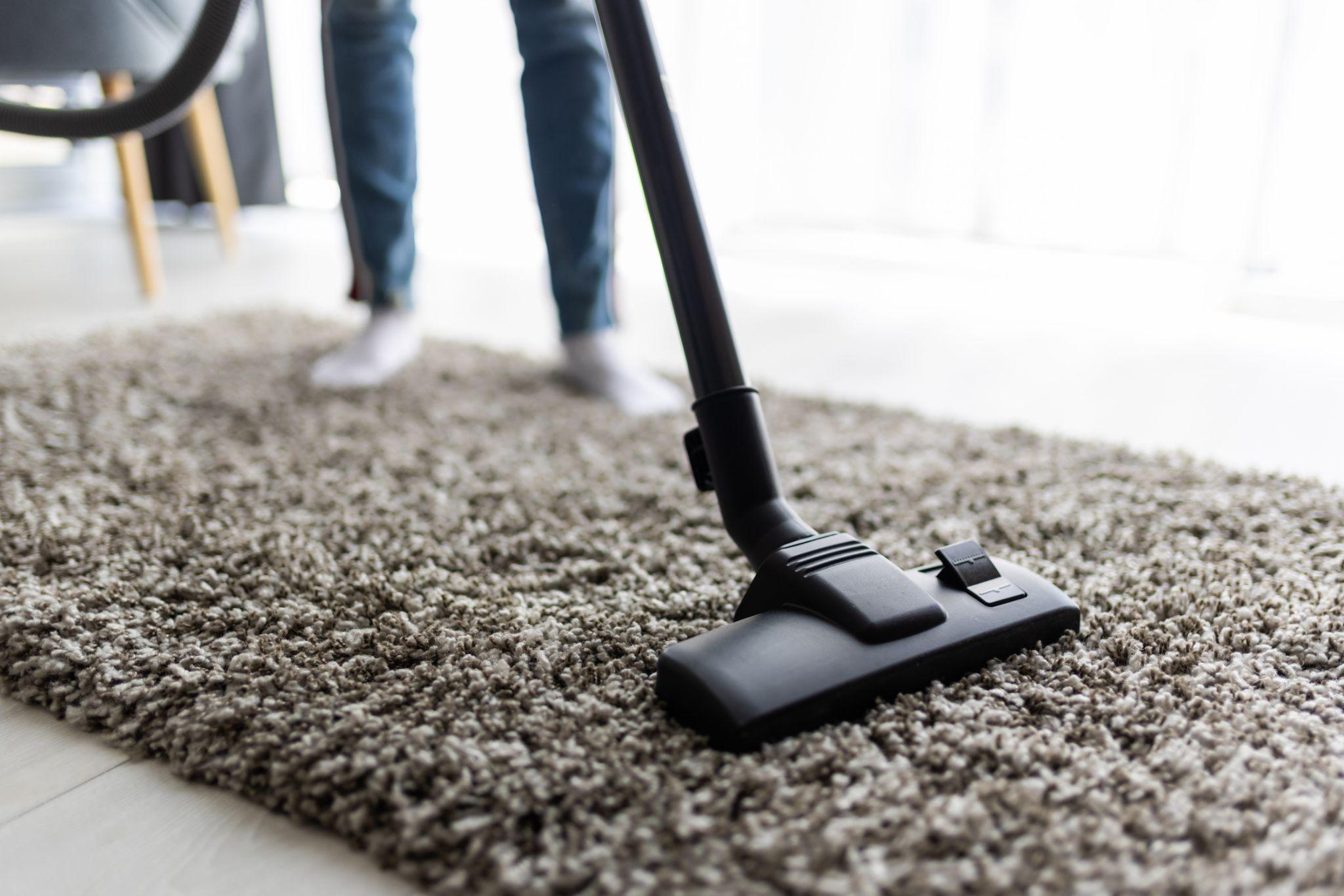
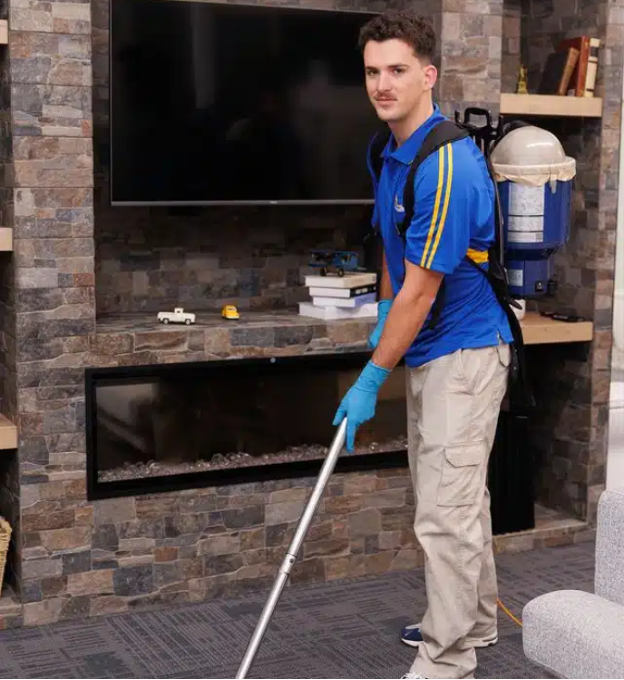
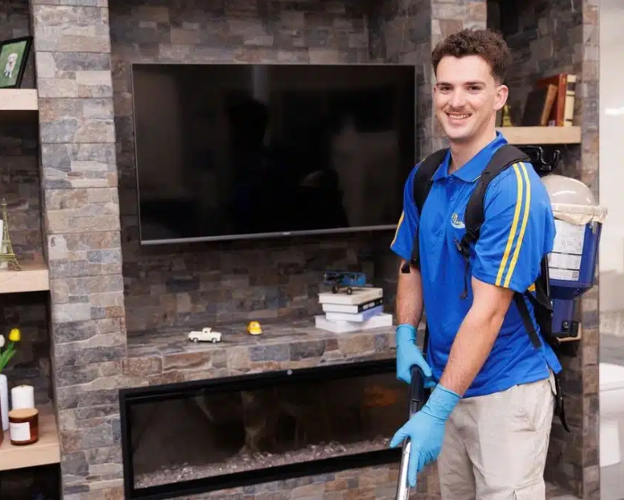
Vacuum all carpets and upholstery to remove dirt, hair, and dust.
Spot Clean Stains
Treat any stains with suitable cleaning solutions. Consider renting carpet cleaning machines if needed.
Refresh and Air
Open windows to let fresh air in. This helps remove odours and makes the carpets and furniture smell clean.
Other Important Areas
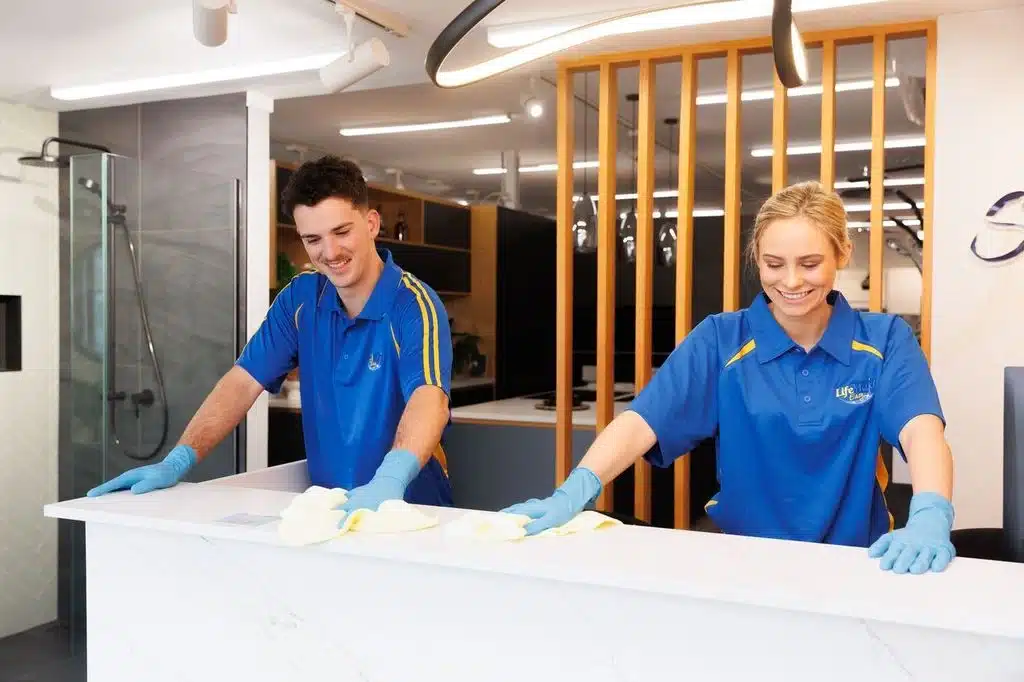
Other areas are easy to miss but are often checked by landlords.
Doors and Skirting Boards
Wipe doors, handles, and skirting boards to remove marks and fingerprints.
Light Switches and Sockets
Dust and wipe light switches, sockets, and plug covers.
Balconies and Outdoor Spaces
Sweep balconies, patios, and remove cobwebs. Mop or hose outdoor floors if possible.
Ceiling and Corners
Check for cobwebs or dust in high corners and ceiling edges. Clean them thoroughly.
Tips for an Effective DIY End of Tenancy Clean
A few extra tips can make your cleaning easier and more effective.
Work from Top to Bottom
Start cleaning high areas like shelves, windows, and ceiling corners, then work down to the floors. This prevents dust from falling on clean surfaces.
Use Suitable Cleaning Products
Different areas need different cleaners. Bathrooms need disinfectants, kitchens need degreasers, and wood surfaces may need polish.
Plan Your Time
End-of-tenancy cleaning takes several hours. Start early and break it into sections to avoid rushing.
Checklists and Photos
Use a checklist and take photos before and after cleaning. This helps show that the property is clean.
Ask for Help
Enlist friends or family to help. Multiple people can clean different areas and finish faster.
Conclusion
End-of-tenancy cleaning can be done yourself with planning, time, and the right tools. It is more thorough than daily home cleaning but can save money compared to hiring professional residential cleaning services.
Following these steps ensures the property is clean, presentable, and ready for inspection. If you want help or advice on cleaning your property, get in touch with our team here at Life Maid Easy. We can provide guidance or take care of the cleaning for you!
Frequently Asked Questions
How long does end-of-tenancy cleaning take?
It depends on the size of the property. A small flat may take a few hours, while a larger house could take a full day or more.
Do I need special equipment for carpets?
Vacuuming may be enough for light cleaning, but carpet cleaning machines can help remove tough stains or odours.
Should I hire professionals or do it myself?
It depends on your time, budget, and how thorough you want the cleaning. DIY is possible with effort, but professional services may save time.
Can I skip window cleaning?
No, windows are often checked during inspections. Clean windows make the property brighter and more appealing.
What if I miss a spot?
Landlords may deduct from your deposit for missed areas. Use a checklist and double-check every room to avoid problems.