
Furniture with fabric, like sofas, armchairs, dining chairs, and ottomans, makes a home comfy and cosy. Over time, that fabric picks up dust, skin flakes, crumbs, pet hair, smells, and even allergens. Upholstery cleaning means cleaning the fabric so the furniture stays fresh, clean, and healthy to use. It is something many homes and offices need now and then.
Some people do small cleaning themselves at home. Others ask professionals. In New Zealand, many people call cleaning services in Auckland or other cities to help. Upholstery cleaning is part of what those services offer. In this blog, we’ll discuss upholstery cleaning and how often you should do it.
What is Upholstery Cleaning?
Upholstery cleaning is the process of removing dirt, dust, stains, and allergens from furniture fabrics. This includes sofas, chairs, ottomans, and other upholstered items in the home or office.
Over time, everyday use can leave marks, spills, and dust trapped deep in the fibres. Professional cleaning or regular maintenance helps keep the furniture looking fresh and can extend its lifespan
The process can involve different methods depending on the type of fabric and level of dirt. Some methods use water and mild cleaning solutions, while others use dry or low-moisture techniques.
What Happens When Upholstery Gets Dirty?
When you sit on a sofa, your skin leaves behind oils and tiny skin cells. Dust floats in the air and lands on the fabric. If you have pets, their hair and dander build up. If you eat or drink on the couch, crumbs, spills, and smells can get trapped. Over time, all of this builds up deep inside the fabric. You might not see it on the surface, but the fabric holds dirt, allergens, and smells nonetheless.
Dirty upholstery does more than look dull or stained. It can affect air quality. Dust mites, pollen, pet dander, and other allergens can hide in fabric and make breathing harder for people with allergies or asthma. Moisture trapped under fabric can lead to damp smells or even mildew in humid climates.
How Upholstery Cleaning Works
There are different ways to clean upholstery. The method depends on the fabric, how dirty it is, and whether there are stains or smells. Here are common approaches:
Vacuuming
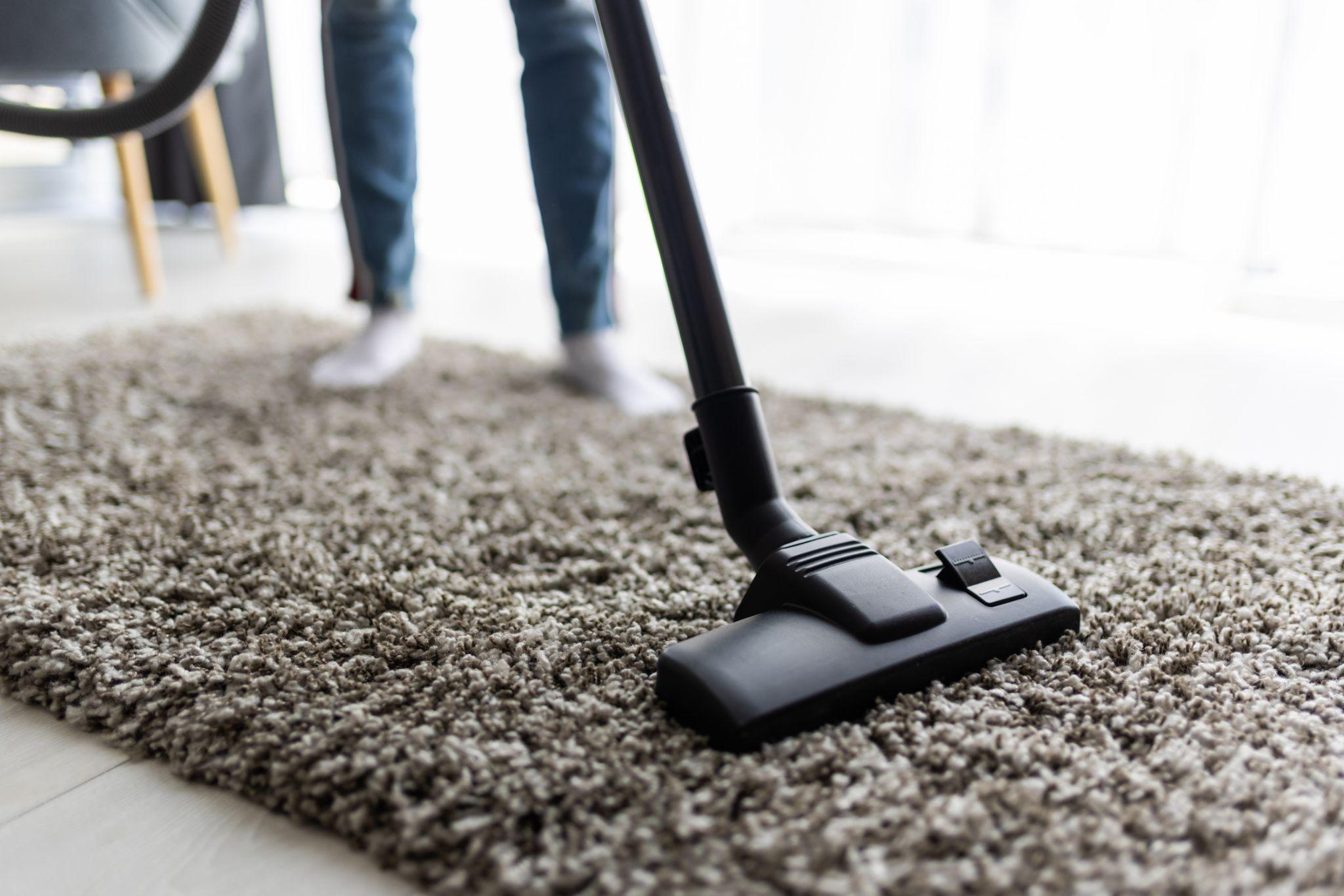
This is the easiest step. Using a vacuum with an upholstery or soft-brush attachment removes dust, crumbs, and pet hair from the surface and from between cushions. Doing this often prevents dirt from settling deep into fibres. Many experts recommend vacuuming every week or two.
Spot Cleaning for Spills or Stains
If something spills on the furniture, such as juice, food, or coffee, it helps to blot it quickly with a clean cloth. Do not rub the stain. A gentle cleaning solution suitable for the fabric may help. This stops stains from soaking into the fabric and setting permanently.
Professional Deep Cleaning
Every so often, upholstery benefits from a deep clean using professional equipment. Most professional cleaners use methods similar to carpet cleaning or hot water extraction. They can lift deep-set dirt, allergens, and stubborn stains that a vacuum or surface cleaning cannot remove. Many residential, commercial cleaning, or daily home cleaning providers offer this service.
When done properly, deep cleaning refreshes fabric, removes odours and allergens, and helps furniture look and feel newer. Drying may take some hours, depending on the fabric and ventilation.
How Often Should You Clean Upholstery

No one rule fits every home. How often you clean depends on how much you use the furniture, who lives there, and whether there are pets or allergies. Here is a general guide that many experts suggest for upholstery cleaning in New Zealand homes.
Typical Schedule for Most Homes
- If the furniture is used lightly or only occasionally, such as a spare chair, a deep clean every 12 to 18 months is often enough.
- For sofas or chairs used regularly by family members, a cleaning every 12 months is a good baseline.
Homes With More Use, Pets, Kids, or Allergies
- If there are children, pets, or frequent messes, or if the furniture sees heavy daily use, it is wise to clean upholstery every 6 to 12 months.
- If someone in the home is sensitive to dust, pollen, or pet dander, more frequent cleaning helps keep the air quality better. Every 6 months or even sooner may be wise.
What Makes a Difference
These things change how often a cleaning is needed:
- How many people sit on the furniture regularly
- Whether pets sit or sleep on it
- If food and drinks are eaten on the furniture
- Whether people have allergies or asthma
- Whether windows are opened, letting dust and pollen in
- Colour and type of fabric. Light fabrics show dirt more, and delicate fabrics may need gentle care
What Professional Upholstery Cleaning Services Offer
Many companies across New Zealand, in Auckland and beyond, offer upholstery cleaning as part of their services. They may also offer carpet cleaning, commercial cleaning, exterior house cleaning, or comprehensive residential cleaning services. A professional cleaning can do more than a simple home vacuum.
What they usually do:
- Inspect the fabric first to see what cleaning method is safest
- For washable fabrics, they may use hot water extraction similar to carpet cleaning
- For delicate fabrics, they may choose gentler solutions
- Remove dust, stains, odours, and allergens
- Ensure drying is safe for the fabric
Some services also offer regular maintenance plans or combine upholstery cleaning with carpet cleaning or exterior house cleaning for a full home refresh. Using professional help makes sense when stains are stubborn, smells are trapped, or the fabric tag says do not use water or harsh chemicals. It also saves time and effort.
Simple Habits to Keep Upholstery Clean Between Deep Cleans
You do not have to wait for a big cleaning to keep furniture in good shape. Small habits make a big difference:
- Vacuum upholstery weekly or every two weeks using a soft brush or upholstery attachment
- Blot spills immediately and avoid rubbing
- Use throw covers or washable blankets in high-use areas
- Keep pets groomed and limit furniture access if possible
- Rotate and flip cushions now and then so wear is even
- Avoid direct sunlight on light fabrics for long hours to prevent fading
- Check fabric care tags before using any cleaner
These habits help reduce dirt, dust, hair, and spills. They keep fabric cleaner longer, so you do not need deep cleaning too often. Many homes that follow this routine find that their upholstery lasts longer and feels nicer.
Conclusion
Upholstery cleaning keeps furniture fresh, comfortable, and healthy. Regular vacuuming, prompt attention to spills, and professional deep cleans all help extend the life of fabric furniture. Choosing the right frequency depends on use, pets, children, and allergies.
For reliable help with your upholstery and other home cleaning needs, contact Life Maid Easy. Our team offers residential cleaning services, daily home cleaning, carpet cleaning, and more. Get in touch with our team to keep your home clean and fresh all year round.
Frequently Asked Questions
1. How Often Should I Clean My Upholstery?
For lightly used furniture, every 12–18 months is fine. For daily-use furniture or homes with pets or children, every 6–12 months is better.
2. Can I Clean Upholstery Myself?
Yes, vacuuming, spot cleaning spills, and using gentle solutions can work. For deep stains or allergens, professional cleaning is recommended.
3. What Is the Best Method for Deep Upholstery Cleaning?
Professional cleaners often use hot water extraction or low-moisture techniques. The method depends on fabric type and dirt levels.
4. Will Upholstery Cleaning Remove Allergens and Smells?
Yes, deep cleaning can remove dust, pet dander, and odours trapped in the fabric. Regular cleaning also helps prevent allergens from building up.
5. Can All Types of Fabric Be Cleaned the Same Way?
No, delicate fabrics may need gentle methods, while durable fabrics handle stronger cleaning. Always check the care label and ask professionals if unsure.